
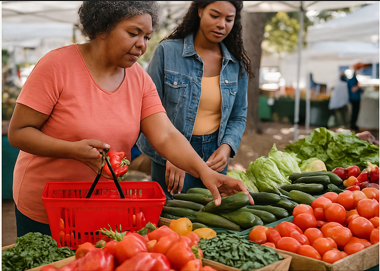
Imagine needing to drive 12 miles just to buy fresh fruit. For many residents in Holmes County, Mississippi, this isn’t just an inconvenience—it’s their daily reality. With more than 50% of adults classified as obese, the county represents a growing public health crisis fueled by limited access to nutritious food.
The Harsh Reality of Food Deserts
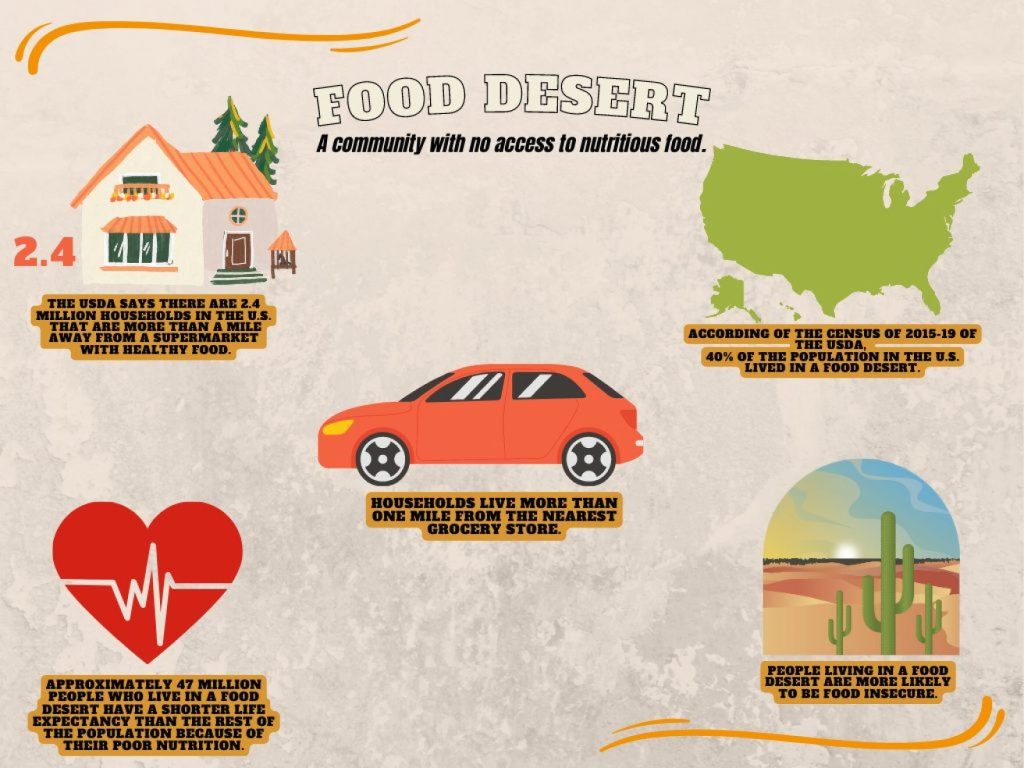
Food deserts—areas where fresh, affordable food is scarce—force residents to rely on processed and fast food, leading to widespread obesity, heart disease, and diabetes. One local resident experienced a heart attack at just 54 due to years of consuming fast food while on the road. He later underwent a quadruple heart bypass, a wake-up call that pushed him to cut fried food from his diet.
Ultra-Processed Foods: Are They Poisoning Us?
According to U.S. Health Secretary Robert F. Kennedy Jr., ultra-processed foods make up nearly 70% of children’s calorie intake, posing serious health risks. His Make America Healthy Again report warns that the food industry profits off unhealthy eating habits, keeping communities dependent on cheap, processed meals.
How Can We Make a Change?
While policy-level actions may take time, individual and community-driven solutions can help address food insecurity: ✅ Support local farmers’ markets—Encourage community-based initiatives for fresh produce access. ✅ Advocate for nutrition education—Raise awareness about processed food risks. ✅ Explore urban gardening—Community gardens and home-grown produce can combat food scarcity.
Comment below with your thoughts! Should processed foods face stricter regulations? What solutions can communities create to promote healthier eating? Let’s keep the conversation going and Stay Healthy Together!
 Staying Healthy Together
“Your insight could inspire someone’s healing—share below. You can use Markdown to format your reply!”