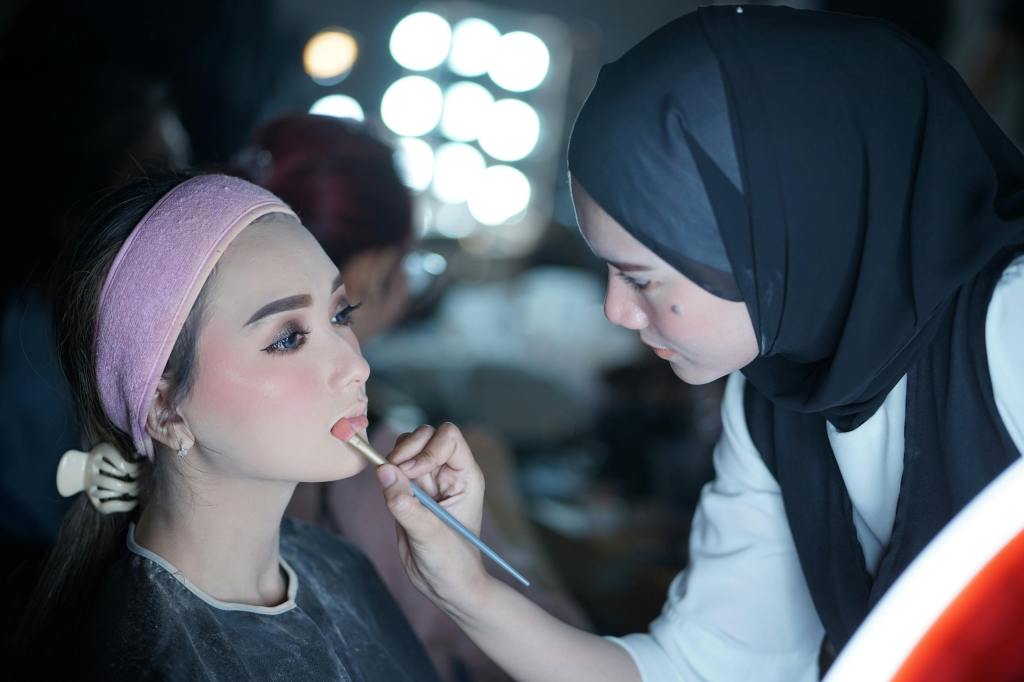
With nearly $78 billion in annual sales, makeup isn’t just about beauty—it’s big business. It’s everywhere: lining shelves, filling influencer feeds, and embedded in daily routines. But beneath the shimmer and shade lies an industry that quietly intersects with wellness in ways most consumers never consider. From chronic skin irritation to long-term hormonal impacts, what we apply to our skin is more than just cosmetic—it’s chemical.
In this post, we’re peeling back the label to expose what’s really inside popular makeup products. We’ll explore ingredients that compromise skin health, especially for those living with sensitive conditions like eczema or acne. And just as makeup profits climb globally, we’ll ask a deeper question: Shouldn’t beauty empower our well-being rather than compromise it? Let’s dive into the facts, the risks, and the alternatives that help us stay beautiful—and healthy together.
💧 The Hidden Layers of Your Makeup Routine
Here’s the good news: water is often the number one ingredient in most makeup products. It hydrates, smooths application, and supports a breathable texture—especially in foundations, BB creams, and liquid concealers. That splash of H₂O can feel like self-care in a bottle. But even with water leading the list, it’s not the only substance soaking into your skin.
The rest of the ingredient lineup includes a complex cocktail—some designed to preserve, pigment, or perfume, and others that raise concerns. From irritants that disrupt sensitive skin to compounds linked with long-term hormonal effects, knowing what follows “aqua” on that label matters more than most consumers realize.
In this post, we’ll highlight the industry’s booming profits, explore the makeup-ingredient connection to skin health, and share clean alternatives that align with your values—and your glow.
🔍 Makeup Ingredient Breakdown: What’s Beneath the Surface?
Even with water leading the charge, the supporting cast of ingredients plays a major role in your skin’s health. Here are five frequently used components worth spotlighting:
| Ingredient | Purpose | Concerns | Safer Swaps |
|---|---|---|---|
| Parabens | Preservatives to extend shelf life | Hormone disruption, linked to breast cancer | Look for paraben-free labels |
| Synthetic Fragrances | Adds scent | Skin irritation, allergic reactions | Products labeled “fragrance-free” |
| Talc | Absorbent, improves texture | Potential asbestos contamination | Cornstarch-based alternatives |
| Phthalates | Helps fragrances last longer | Hormonal disruption, fertility concerns | “Phthalate-free” or essential oils |
| Bismuth Oxychloride | Adds shimmer | Can cause itching or cystic acne | Mica-based shimmer alternatives |
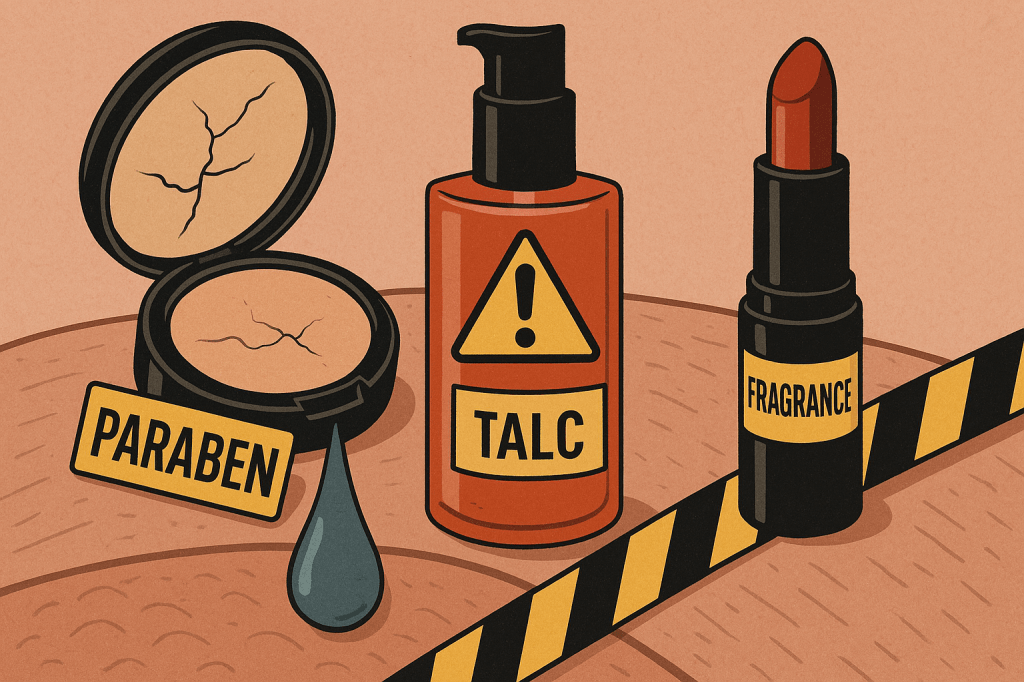
🚨 Buyer Beware: When Beauty Turns Risky
Not all makeup is created equal—and not all vendors operate with integrity. Beyond questionable branding and flashy packaging lies a disturbing truth: buying cosmetics from unreliable or unverified sources can seriously threaten your skin’s health and overall well-being.
Here’s what’s at stake:
- 🧪 Tainted Water: Even though water is often the main ingredient, poor sanitation during manufacturing can introduce bacteria or contaminants. That “hydrating mist” could turn into an acne outbreak—or worse.
- ☠️ Unregulated Chemicals: Crooked vendors may include banned or untested substances to cut costs. These can trigger allergic reactions, hormone disruption, or long-term damage to skin cells.
- 🚫 False Labels: “Natural,” “organic,” or “dermatologist tested” are sometimes slapped on products with no real backing. Without lab verification, these claims are marketing smoke and mirrors.
- ⚙️ Clogged Pores & Skin Chaos: Cheap fillers and synthetic waxes often lead to blackheads, inflammation, and breakouts—especially when used on sensitive or acne-prone skin.
✊ What You Can Do:
- ✅ Stick with vendors who share transparency about sourcing and testing.
- 🧾 Review ingredient lists and look for third-party certifications.
- 🛑 Skip the temptingly cheap knockoffs from pop-up shops, online marketplaces, and influencer “dupes.”
- 🕵️♂️ Ask questions: Who made this? What are the ingredients? Is there proof of safety testing?
This isn’t about scaring—it’s about protecting. In a $78 billion industry, your money, your trust, and your skin deserve respect.
🌿 Clean Beauty Alternatives: Choosing Wellness Without Compromise
Now that we’ve peeled back the layers of what might be hiding in your makeup bag, it’s time to spotlight the empowering alternatives—products that nourish your skin, honor your values, and reflect your glow in every shade.
Here’s what to look for:
- 🌱 Ingredient Transparency: Brands like Ilia, Tower 28, and Beautycounter lead the way by listing every ingredient clearly. No mystery chemicals or vague “fragrance” claims.
- 🤎 Inclusive Beauty: Look for companies offering wide shade ranges that celebrate all skin tones, not just the mainstream.
- 🐰 Ethical Standards: Cruelty-free certifications, recyclable packaging, and responsible sourcing show that beauty can care—inside and out.
- 🌍 Holistic Impact: Choose products that respect not only your skin but the planet. Avoid brands that use excess plastic, heavy synthetics, or shady supply chains.
🧘♀️ Wrapping Up: Beauty That Nourishes
Makeup has the power to uplift, express, and transform—but only when it supports our well-being. From contaminated water to hidden toxins, the truth behind the beauty industry is more than skin-deep. By choosing transparency, clean ingredients, and ethically sourced products, we reclaim beauty as a source of strength—not sacrifice.
As you rethink what goes on your skin, remember: awareness is the first step, and every informed choice is a step toward healthier living.
Let’s keep the conversation going—your story might be the wake-up call someone else needs. 💬
📊 Poll: Before You Buy…
How often do you read the ingredient label before purchasing makeup?
- Always
- Sometimes
- Rarely
- Never
📝 Drop your answer in the comments and tell us why! Have you ever had a product switch that changed your skin or your mindset? Let your voice lead the way in smarter beauty choices.
 Staying Healthy Together
“Your insight could inspire someone’s healing—share below. You can use Markdown to format your reply!”