5 Minute Read time.
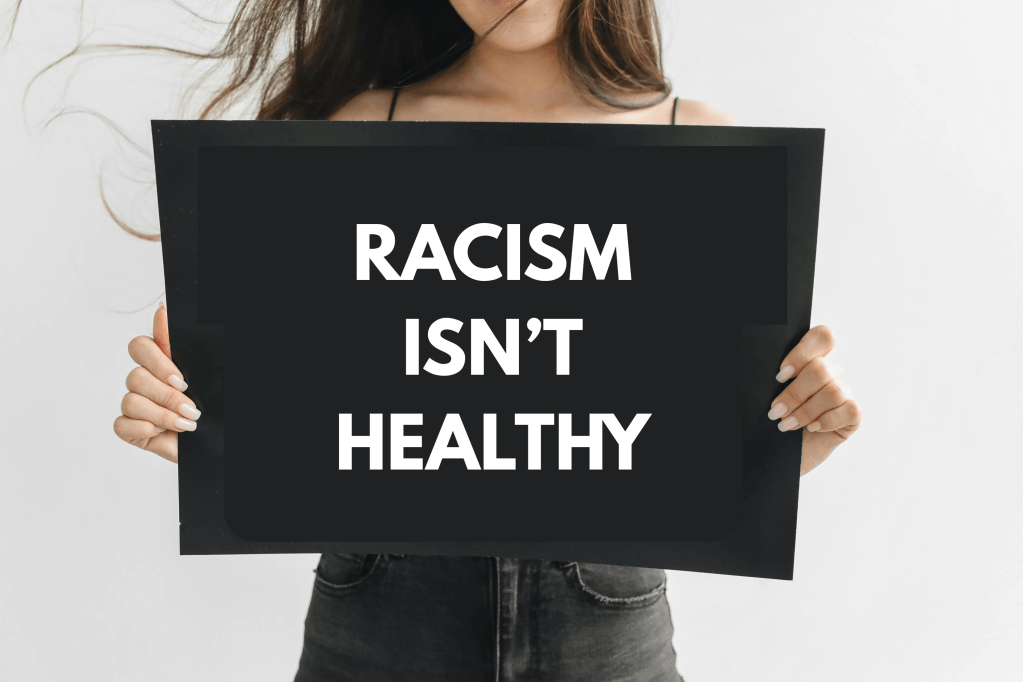
Is Racism Healthy?
Racism. The word itself carries weight—historical, emotional, and deeply personal. It’s not just a concept; it’s a lived experience, a social construct, and a mirror reflecting how we treat one another.
By definition, racism is the belief that different races possess distinct characteristics, abilities, or qualities that justify discrimination or superiority of one race over another. It manifests through prejudice, systemic inequality, and interpersonal bias.
Most often, racism is framed as one race against another. But what happens when the lines blur? Can individuals of the same racial group harbor racist attitudes toward each other? The answer is complex—and revealing.
Intra-racial racism, sometimes called colorism, internalized racism, or horizontal hostility, shows up in subtle and overt ways. It might look like judging someone’s worth based on skin tone, dialect, socioeconomic status, or proximity to whiteness. It might sound like “You’re not Black enough,” “You talk too proper,” or “You act like you’re better than us.”
These dynamics aren’t just personal. They’re rooted in historical trauma, colonialism, and the legacy of oppression. When a community internalizes the messages of inferiority or division, it can turn those messages inward, fracturing solidarity and wellness.
So, is racism healthy? Not in any form. Whether external or internal, racism corrodes connection, dignity, and collective healing. And that’s exactly why we need to talk about it.
The Myth of the Cursed Race
Throughout history, dominant groups have often used storytelling—not the soulful kind, but the manipulative kind—to shape perceptions of other races. These stories weren’t just casual stereotypes; they were systemic myths designed to dehumanize, isolate, and justify oppression.
One of the most insidious tactics is convincing others that a particular race is “cursed,” dangerous, or inherently untrustworthy. This narrative shows up in:
- Religious misinterpretations: Some groups have twisted sacred texts to claim divine justification for racial hierarchy—like the misused “Curse of Ham” narrative, which was weaponized to rationalize slavery and anti-Black racism.
- Colonial propaganda: Colonizers often portrayed Indigenous peoples as savage or backward to legitimize conquest and cultural erasure.
- Scientific racism: Pseudoscience once claimed that certain races were biologically inferior, spreading fear and falsehoods under the guise of research.
- Media and pop culture: Films, news, and literature have historically reinforced the idea that certain races are violent, lazy, or corrupt—shaping public opinion across generations.
But here’s the twist: these narratives don’t just affect how one race is viewed by others. They can seep into the psyche of the targeted group itself, leading to internalized racism, shame, and division.
Why It Matters for Wellness
When a race is branded as cursed or untrustworthy, it fractures the possibility of collective healing. It creates emotional wounds that ripple through families, communities, and generations. It teaches people to distrust their own reflection, and to fear connection with others.
The Cost of the Angry Look
Anger, when unprocessed or weaponized, doesn’t just live in the moment—it lingers. That look of contempt, distrust, or hostility can:
- 🧠 Trigger mental distress: For the person receiving it, it can evoke anxiety, fear, or feelings of rejection. For the person giving it, it often reflects unresolved emotions, internalized pain, or a defensive posture.
- ❤️ Impact physical health: Chronic anger and stress elevate cortisol levels, increase blood pressure, and strain the heart. Over time, this can lead to fatigue, inflammation, and even cardiovascular issues.
- 🧍🏽♂️🧍🏾♀️ Disrupt relationships: That look can fracture trust, silence dialogue, and create emotional distance—even when no words are exchanged.
- 🔁 Fuel cycles of tension: One angry glance can lead to another, escalating into conflict, avoidance, or resentment. It’s a feedback loop that feeds itself.
Unnecessary Stress Is a Silent Saboteur
Stress isn’t just emotional—it’s physiological. And when racism, bias, or even subtle microaggressions are involved, that stress becomes chronic. It’s not just about the angry look—it’s about what that look represents: judgment, exclusion, or fear.
For communities already navigating systemic inequities, these moments compound. They become part of the emotional landscape, affecting sleep, digestion, focus, and overall wellness.
Healing Starts with Awareness
- Have you ever felt the sting of an angry look tied to race or identity?
- Have you ever given one, perhaps unconsciously?
- What stories or stressors live behind that glance?
By naming it, we begin to disarm it. And that’s where healing begins.
The Weight of Inherited Pain
Racism doesn’t just live in headlines or history books—it lives in the body. It’s passed down through stories, silences, and survival strategies. Many people carry emotional wounds they didn’t create, shaped by generations of exclusion, fear, and resistance.
- A grandmother who flinches at authority figures.
- A father who teaches his son to “stay quiet and stay safe.”
- A child who learns to shrink in spaces where they should shine.
This inherited pain isn’t weakness—it’s wisdom born from experience. But when it goes unspoken, it can calcify into mistrust, hypervigilance, or emotional numbness. Healing means naming it, honoring it, and choosing not to pass it forward.
Reclaiming Wellness Through Connection
If racism isolates, healing reconnects. Wellness isn’t just about self-care routines—it’s about belonging. It’s about feeling safe enough to be seen, heard, and valued.
Reclaiming wellness means:
- 🫱🏽🫲🏾 Building bridges across communities, even when it’s uncomfortable.
- 🧘🏽♂️ Practicing emotional honesty, especially within our own racial groups.
- 📚 Unlearning toxic narratives and replacing them with truth, dignity, and care.
- 💬 Creating spaces—like this blog—where reflection leads to restoration.
Closing Reflection: A Gentle Question
If this stirred something in you, sit with it. Healing begins with honesty—and honesty begins with reflection.
What stories have you inherited about race, and are they helping you heal—or holding you back?
🗓️ Next up, Friday’s blog: Unhealthy Habits While Incarcerated. We’ll explore how confinement shapes coping, wellness, and survival—and what healing might look like on the inside.
 Staying Healthy Together
“Your insight could inspire someone’s healing—share below. You can use Markdown to format your reply!”