By Tony T. | Staying Healthy Together
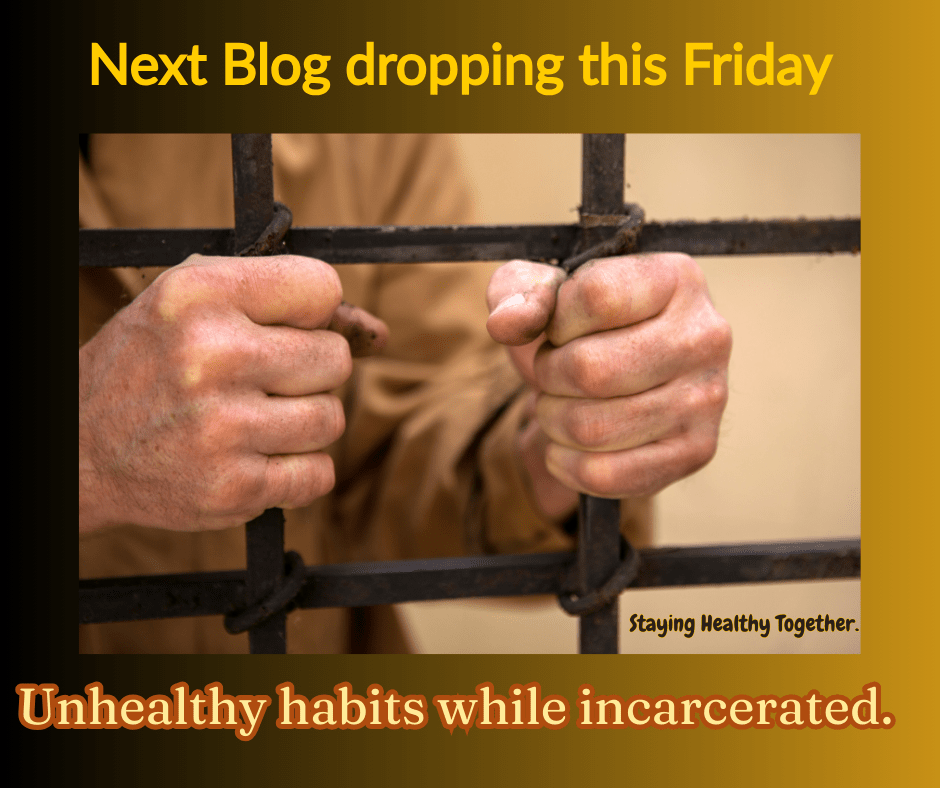
🚪 From Wellness to Confinement: A Story That Echoes
You were thriving. Meal prepping on Sundays. Gym five days a week. Journaling every night. You practiced safe sex, drank your water, and kept your circle tight. You were living with intention—mind, body, and spirit aligned.
Then came the moment. One small but critical mistake. A lapse in judgment. And suddenly, your life rerouted through a courtroom and into a cell.
Now, the battle is different.
You’re sharing a cell with a total stranger. You sleep with one eye open, not because of violence—but because trust is currency, and yours is bankrupt. You learn quickly: don’t tell your story too freely. Words get traded like cigarettes. Someone will use your truth to cut a deal, shorten their time, or gain favor.
You start to shrink inward. Family visits slow down. Friends stop writing. Life outside moves on, and you’re stuck in a loop of recycled air and recycled pain. Loneliness becomes your new bunkmate. You replay old memories like reruns, hoping they’ll feel fresh again.
And the body? It suffers. Congestion from poor ventilation. Bacteria from shared sinks and showers. Processed food that bloats and breaks you down. No fresh greens. No clean protein. Just sodium, sugar, and survival.
You avoid physical contact—not out of fear, but out of necessity. Touch can be misread. Vulnerability can be weaponized. You keep your head down, your hands to yourself, and your emotions locked behind your ribs.
The hardest part? You know you can’t return to your old life. The record follows you. Employers hesitate. Housing applications stall. Relationships shift. You’re no longer “Tony the coach” or “Tony the mentor.” You’re “Tony with a past.” And that label sticks harder than any scar.
🧫 Why Unhealthy Habits Take Root
- Scarcity of resources: Fresh food, clean air, mental health support.
- Cultural norms: Vulnerability is punished, not protected.
- Trauma: Unaddressed pain festers in silence.
- Control: Autonomy is stripped, and with it, self-care routines.
🌱 Seeds of Change: Healing Is Still Possible
Even in confinement, healing can begin:
- Peer-led wellness circles
- Journaling and creative writing
- Breathwork and body movement
- Therapy and mentorship
- Legacy mapping and digital reflection
I’ve seen it firsthand—men and women reclaiming their stories, one breath, one word, one choice at a time. Whether leading sobriety groups or mentoring youth, I’ve witnessed how clarity and connection can pierce even the darkest spaces.
🧭 Final Thoughts: One Day at a Time
I want to be clear—I’ve never spent time in jail. But I’ve walked beside those who have. I’ve listened to their stories, felt their pain, and witnessed their strength. And I know that reentry isn’t just about freedom—it’s about rebuilding, reimagining, and reclaiming your life.
The truth is, incarceration doesn’t end when the gate opens. It lingers—in the job interviews that never call back, in the family gatherings where you feel out of place, in the quiet moments when you wonder if you’ll ever feel whole again.
But healing is possible. If you’ve been released, I encourage you to focus on living a healthy life. Take advantage of the free resources available to you—community programs, wellness clinics, job training, support groups. They exist to help you rise, not just survive.
Build new habits. Eat well. Move your body. Speak kindly to yourself. Reconnect with people who see your worth—not just your past.
And most importantly: take life one day at a time. Healing isn’t a sprint. It’s a quiet, steady walk toward wholeness.
Good luck in your future journey. You deserve peace, purpose, and a life that reflects your true worth.
—Tony T.
 Staying Healthy Together
“Your insight could inspire someone’s healing—share below. You can use Markdown to format your reply!”