5 Minute read.
The air you breathe could be silently harming your lungs, heart, and even your mind. Air pollution’s dangers go far beyond the hazy smog you see in city skylines — they’re often invisible, yet dangerously close to home. From triggering asthma attacks to increasing the risk of heart disease and cognitive decline, polluted air is a silent threat that affects millions every day.
Here on the blog, I publish new posts twice a week — every Tuesday and Friday — as part of my journey to learn more about different health issues and share what I discover with you. This Friday, we’ll be tackling a very different but equally important topic: unprotected sex and why supporting the condom industry can be a surprisingly smart decision. Stay tuned by following us so you don’t miss it!
Causes of Air Pollution
Air pollution comes from a mix of natural and human-made sources, but human activities are the dominant driver of harmful emissions today.
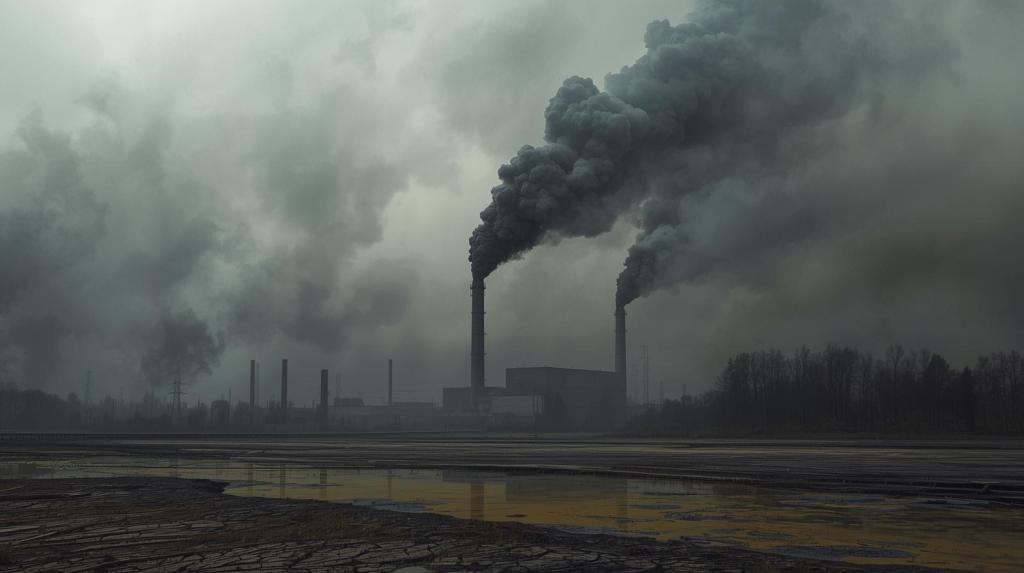
- Industrial Emissions Factories, power plants, and refineries release large amounts of pollutants such as sulfur dioxide (SO₂), nitrogen oxides (NOₓ), and particulate matter (PM). These emissions often come from burning fossil fuels like coal and oil.
- Transportation Cars, trucks, ships, and airplanes emit carbon monoxide (CO), nitrogen oxides, and volatile organic compounds (VOCs). In urban areas, vehicle exhaust is one of the largest contributors to smog.
- Agricultural Practices Fertilizers and pesticides release ammonia and other chemicals into the air. Livestock farming produces methane (CH₄), a potent greenhouse gas.
- Household Sources Indoor air pollution from cooking with solid fuels, burning wood, or using certain cleaning products can be just as harmful as outdoor pollution.
- Natural Events Volcanic eruptions, wildfires, and dust storms also contribute to air pollution, though these are often seasonal or episodic.
Key takeaway: While natural sources exist, the scale and persistence of human-caused emissions make them the primary target for intervention.
Health Risks of Air Pollution
Air pollution is a silent killer. The World Health Organization estimates that millions of premature deaths each year are linked to poor air quality. The health effects can be immediate or long-term, and they impact people of all ages.
- Respiratory Diseases Fine particulate matter (PM₂.₅) can penetrate deep into the lungs, causing or worsening asthma, bronchitis, and chronic obstructive pulmonary disease (COPD).
- Cardiovascular Problems Long-term exposure to polluted air increases the risk of heart attacks, strokes, and hypertension.
- Cancer Certain air pollutants, such as benzene and formaldehyde, are classified as carcinogens.
- Impact on Children and Elderly Children’s developing lungs and immune systems make them more vulnerable, while older adults often have pre-existing conditions that pollution can aggravate.
- Mental Health Links Emerging research suggests that air pollution may contribute to cognitive decline, depression, and anxiety.
Real-world example: Cities with consistently high smog levels often see spikes in hospital admissions during pollution peaks, especially among children and seniors.
Environmental Impact
Air pollution doesn’t just harm people — it disrupts entire ecosystems and accelerates climate change.
- Climate Change Greenhouse gases like carbon dioxide, methane, and nitrous oxide trap heat in the atmosphere, leading to global warming. Black carbon (soot) also absorbs sunlight, further heating the planet.
- Acid Rain Sulfur dioxide and nitrogen oxides can combine with water vapor to form acid rain, which damages forests, soils, and aquatic habitats.
- Ozone Layer Depletion Certain industrial chemicals, like chlorofluorocarbons (CFCs), break down ozone molecules, reducing the Earth’s natural shield against harmful UV rays.
- Biodiversity Loss Pollutants can poison plants and animals, disrupt food chains, and reduce species populations.
- Soil and Water Contamination Airborne pollutants eventually settle on land and water, altering their chemical composition and harming agriculture and fisheries.
Solutions and Prevention Strategies
Tackling air pollution requires a multi-layered approach involving governments, industries, communities, and individuals.
Government and Policy Actions
- Stricter Emission Standards for vehicles, factories, and power plants.
- Investment in Renewable Energy such as wind, solar, and hydropower.
- Urban Planning that promotes public transport, cycling, and walking.
- International Agreements like the Paris Accord to coordinate global action.
Industry Innovations
- Cleaner Production Technologies to reduce emissions at the source.
- Carbon Capture and Storage (CCS) to trap CO₂ before it enters the atmosphere.
- Circular Economy Practices to minimize waste and resource use.
Community and Individual Actions
- Reduce Vehicle Use by carpooling, using public transport, or switching to electric vehicles.
- Energy Efficiency at home through LED lighting, insulation, and efficient appliances.
- Support Green Policies by voting for leaders and initiatives that prioritize clean air.
- Plant Trees to absorb CO₂ and filter pollutants.
Case study: Cities like Copenhagen and Amsterdam have dramatically reduced air pollution by prioritizing cycling infrastructure and renewable energy.
Why Action Matters Now
Air pollution is not an isolated problem — it’s intertwined with climate change, public health, and economic stability. The longer we delay action, the more difficult and expensive it becomes to reverse the damage. Clean air is a basic human right, and protecting it benefits everyone: healthier people, more resilient ecosystems, and a more stable climate.
Final Thoughts
The fight against air pollution is both a challenge and an opportunity. By understanding its causes, recognizing its risks, and committing to solutions, we can create a future where clean air is the norm, not the exception. Whether through policy change, technological innovation, or personal lifestyle choices, every step counts.
About This Blog: New health articles every Tuesday and Friday, exploring important health issues and sharing what I learn along the way.
 Staying Healthy Together
“Your insight could inspire someone’s healing—share below. You can use Markdown to format your reply!”