3 Minute Read.
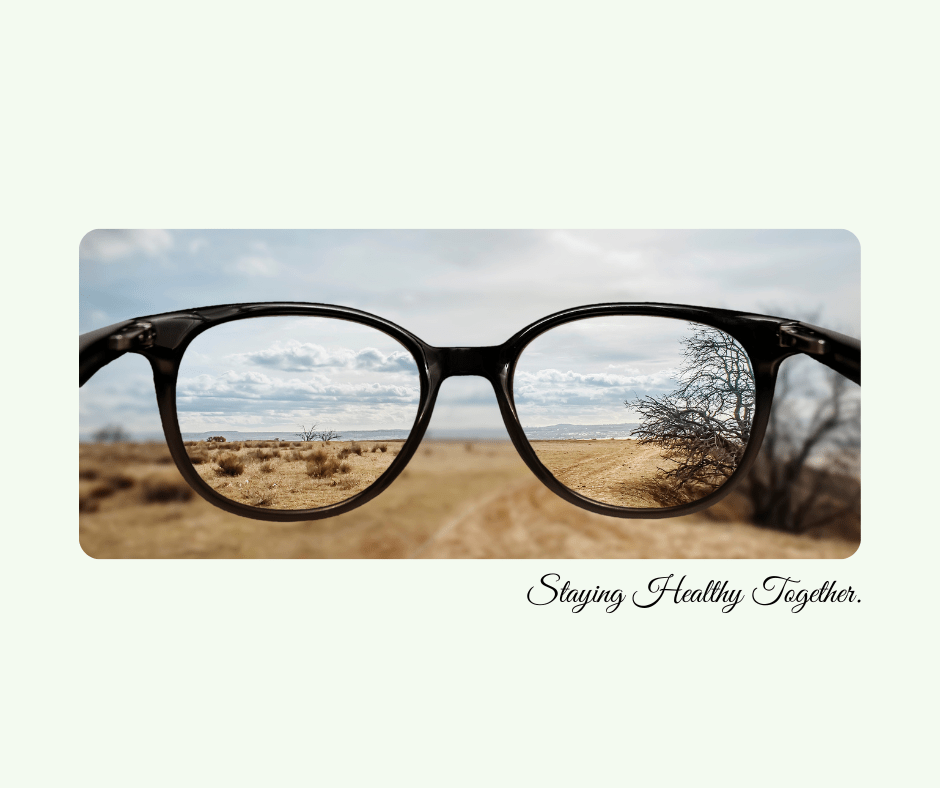
We don’t always notice the blur until it starts affecting how we move through the world.
Early Signs to Watch For
Vision changes often whisper before they shout. Here are a few gentle nudges from your body that deserve attention:
- Frequent squinting or needing brighter light to read
- Headaches after screen time or reading
- Difficulty seeing at night or adjusting to dim spaces
- Blurry or double vision, especially when tired
- Eye strain or dryness that lingers, even after rest
- Trouble recognizing faces from a distance
- Colors appearing faded or less vibrant
“What have your eyes been trying to tell you lately—and have you been listening?”
A Wake-Up Call in Aisle Three
I didn’t notice the blur at first. It crept in slowly—until one day, I was standing in a pharmacy, trying to read the fine print on a label. I squinted. I adjusted the lighting. Still nothing.
Then a stranger walked past, and I asked for help reading it. That moment stuck with me—not because it was dramatic, but because it was quietly embarrassing. I was right there in a place full of professionals, and yet I didn’t ask the pharmacist. I don’t know why. Maybe I didn’t want to admit something was wrong. Maybe I thought it would pass.
But that was the moment I realized: this wasn’t just about blurry letters. It was about listening to my body, honoring the signs, and choosing to act.
“Have you ever ignored a small sign because it felt inconvenient, or brushed off a moment that deserved more attention? What might shift if you treated those nudges as invitations instead of interruptions?”
Seeking Help: A Gentle Starting Point
“Asking for help isn’t weakness—it’s wisdom in motion.”
If you’ve noticed changes in your vision, here’s how to take that first step with clarity and care:
- Start with a local optometrist or eye clinic—many offer free screenings or sliding-scale services.
- Bring a list of symptoms you’ve noticed, even if they feel minor.
- Ask questions about eye health, not just prescriptions. Understanding the “why” behind your changes builds confidence.
- Don’t wait for a crisis—early action can prevent long-term complications.
- If you’re nervous, bring a friend or write down your concerns ahead of time.
Preparing for Long-Term Glasses or Contacts
“Vision tools aren’t just accessories—they’re part of your wellness toolkit.”
Whether you’re new to corrective lenses or returning after a break, here’s how to ease into the routine:
Daily Habits for Eye Wellness
- Wash your hands before touching your eyes or lenses—always.
- Clean your glasses with a microfiber cloth and lens-safe solution (not your shirt!).
- Store contacts properly—use fresh solution daily and never reuse old liquid.
- Give your eyes breaks—follow the 20-20-20 rule: every 20 minutes, look at something 20 feet away for 20 seconds.
- Avoid sleeping in contacts unless they’re designed for it.
- Replace lenses and cases as recommended—don’t stretch timelines.
- Stay hydrated and eat eye-friendly foods (think leafy greens, carrots, omega-3s).
Closing Thoughts: Clarity Is a Kindness
“Vision isn’t just about what we see—it’s about how we choose to see ourselves.”
That moment in the pharmacy was more than a wake-up call. It was a reminder that our bodies speak in whispers long before they shout. Whether it’s blurry print or a quiet hesitation to ask for help, these moments matter.
Choosing clarity—through glasses, contacts, or simply paying attention—isn’t vanity. It’s self-respect. It’s wellness. It’s legacy.
So if your world’s been feeling a little fuzzy lately, maybe it’s time for your own vision check. Not just with your eyes, but with your heart.
 Staying Healthy Together
“Your insight could inspire someone’s healing—share below. You can use Markdown to format your reply!”