
4 Minute read
Hypertension—often called the “silent killer”—is quietly devastating Black communities across the U.S. and beyond. It doesn’t shout. It doesn’t always show symptoms. But it’s behind the scenes of heart attacks, strokes, kidney failure, and premature death. And it’s hitting us earlier, harder, and more often than any other group.
📊 The Numbers Don’t Lie
🇺🇸 United States
- 58.4% of Black women and 57.5% of Black men have high blood pressure—the highest rates in the world.
- Nearly 60% of Black adults aged 20+ live with some form of cardiovascular disease.
- Black adults account for over 50% of heart failure hospitalizations among U.S. adults under 50.
- In 2022, heart disease killed 64,606 Black men and 58,860 Black women.
🗺️ Global Impact
- In Africa, hypertension caused 900,000 deaths in 2016, an 82% increase since 1990.
- Caribbean and North American Black populations face escalating rates due to obesity, poor access to care, and systemic inequities.
- Only 30% of people with hypertension in North America have their blood pressure under control.
🏙️ State & Local Realities
- Black communities in states like Mississippi, Louisiana, and Georgia show some of the highest rates of hypertension-related deaths.
- In Massachusetts, Black adults are twice as likely to die from heart disease compared to white adults, despite similar rates of diagnosis.
🛡️ Prevention Is Possible—But It Must Be Intentional
🧘🏾♂️ Individual Actions
- Know your numbers: Get your blood pressure checked regularly.
- Eat with intention: Prioritize whole foods, reduce sodium, and hydrate.
- Move your body: Even 20 minutes of walking a day makes a difference.
👶🏾 Youth-Focused Prevention
- Parents and caregivers—your influence matters. Swap sugary drinks for infused water. Make veggies visible and accessible. Teach your children that wellness isn’t punishment—it’s power. These small shifts shape lifelong habits and protect future generations from the silent killer.
🏥 Community & Systemic Solutions
- Expand access to fresh food: Support urban gardens, Black-owned grocers, and SNAP-friendly farmers markets.
- Culturally relevant education: Partner with HBCUs, churches, and local leaders to teach heart health in ways that resonate.
- Policy change: Advocate for equitable healthcare, better zoning, and investment in underserved areas.
🍽️ A Call to Action for Restaurants and Food Providers
If you’re a fast food chain, a dine-in eatery, or even a corner store owner reading this—know that your menu choices matter. Black communities are disproportionately exposed to high-sodium, low-nutrient foods not by preference, but by proximity and affordability.
You have the power to shift that narrative.
- Start small: Replace regular table salt with sea salt or herbal blends.
- Offer low-sodium options: Soups, sides, and sauces can be reformulated without sacrificing flavor.
- Highlight heart-healthy meals: Make them visible, affordable, and culturally relevant.
- Partner with local wellness advocates: Invite community voices to help shape your offerings.
This isn’t just about business—it’s about legacy. When your menu reflects care, your impact. If you’re unsure where to start, begin with your seasoning shelf. Sea salt, garlic blends, and citrus-based marinades can transform flavor without compromising health. Your kitchen can be a place of healing.
🧡 Final Reflection: A Legacy Worth Protecting
We inherit more than genes—we inherit habits, histories, and health outcomes shaped by systems we didn’t build. But we can choose what we pass on.
Hypertension may be silent, but our response doesn’t have to be. Every meal, every walk, every moment of awareness is a step toward rewriting the story. Not just for ourselves, but for our children, our neighbors, our communities.
This isn’t about perfection—it’s about presence. About showing up for our bodies, our stories, and our future. Because the real legacy isn’t just what we leave behind—it’s what we live through, together.
As a wellness advocate and budget coach, I’ve seen firsthand how small shifts—like choosing water over soda or reading a nutrition label—can ripple into lifelong change. This blog isn’t just data. It’s a call to protect what matters most: our legacy, our health, our future.
Monthly Battle of the Best
– Walnut vs. Pecan Drops Tomorrow
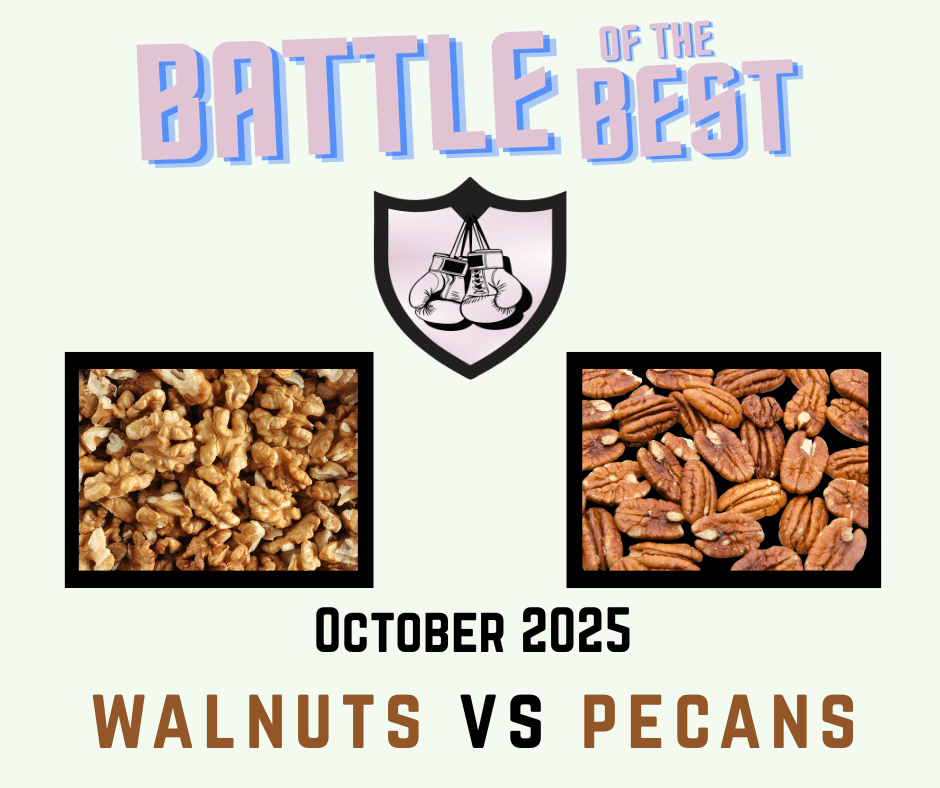
Before you go—don’t miss our next Monthly Battle of the Best. Tomorrow, we crack open the truth behind two powerhouse nuts: Walnut vs. Pecan.
Which one fuels your body best? Which one protects your heart, sharpens your mind, and fits your rhythm?
We’ll break it down with stats, soul, and strategy. Stay tuned. Stay grounded.
 Staying Healthy Together
“Your insight could inspire someone’s healing—share below. You can use Markdown to format your reply!”