
Chronic diseases—such as diabetes, heart disease, and hypertension—affect millions of people worldwide, often developing silently over time. While these conditions can pose serious health risks, they are also largely preventable and manageable through lifestyle choices, early detection, and proper care. Understanding the causes, symptoms, and prevention strategies empowers individuals to take control of their health and make informed decisions to reduce long-term risks.
Stay Ahead of Health Risks:
Essential Tips for Disease Prevention.

Sodium.

Diabetes.
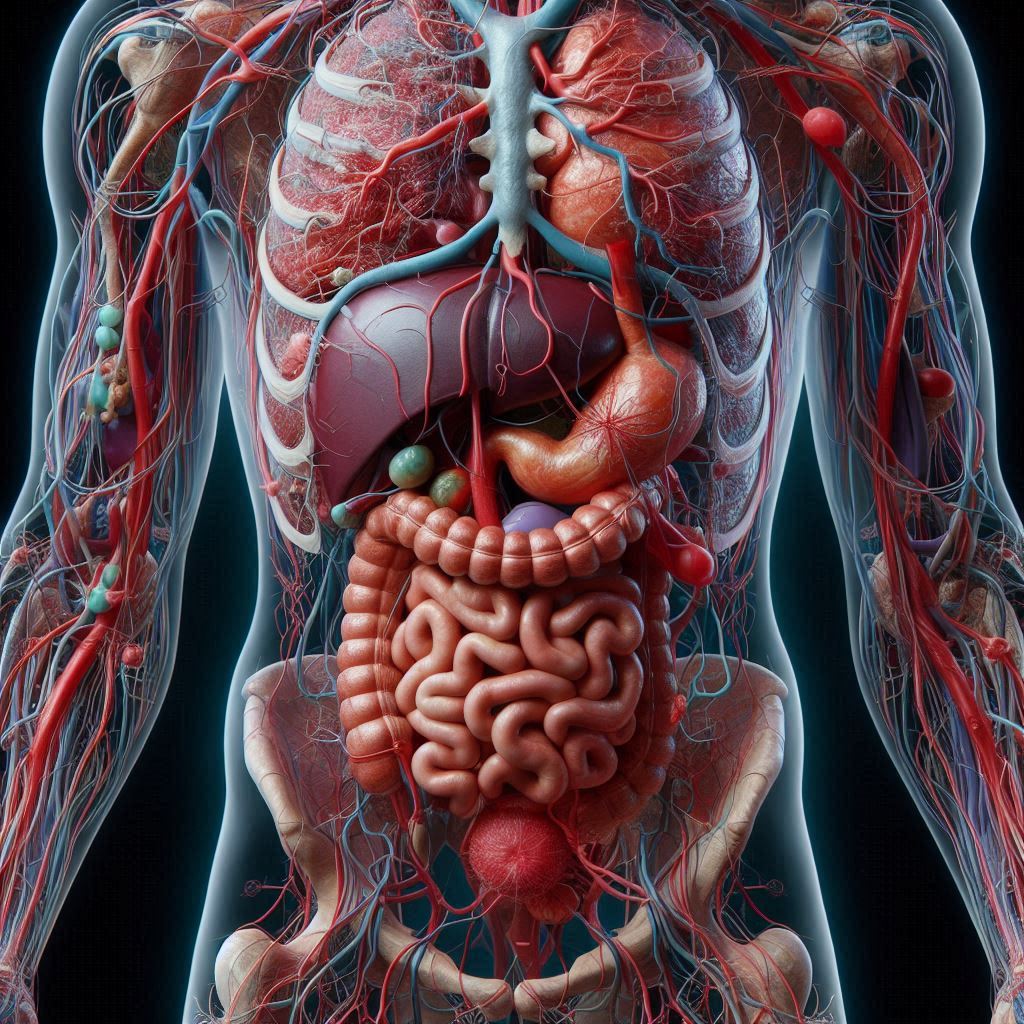
Organs.

Fats.
Sodium intake:
- Excess sodium intake can be a silent but serious threat to your health, increasing the risk of hypertension—a major contributor to heart disease and stroke. When sodium levels are too high, the body retains excess water, putting undue pressure on blood vessels and forcing the heart to work harder. Over time, this strain can lead to chronic cardiovascular issues, kidney damage, and even osteoporosis, as excess sodium disrupts calcium balance. Reducing processed foods, reading nutrition labels, and opting for fresh, whole ingredients can be powerful steps toward protecting your health from sodium-related complications.
Diabetes:
- Excessive sugar intake and poor dietary habits can significantly increase the risk of diabetes, particularly type 2. When the body consistently experiences high blood sugar levels, it can develop insulin resistance—where cells no longer respond effectively to insulin, leading to dangerous glucose buildup in the bloodstream. Over time, this can result in severe complications, including nerve damage, kidney disease, heart problems, and vision loss. Maintaining a balanced diet with whole foods, fiber-rich ingredients, and regular physical activity can help regulate blood sugar levels and reduce the chances of developing this life-altering condition.
Body organs:
- Excessive consumption of unhealthy foods, toxins, and lifestyle habits can take a devastating toll on vital organs like the liver, kidneys, heart, and lungs. For example, high cholesterol and poor diet contribute to fatty liver disease, impairing the liver’s ability to filter toxins, while excessive sugar and processed food can strain the kidneys, leading to kidney disease. Smoking and air pollution wreak havoc on lung function, increasing the risk of chronic respiratory diseases. Protecting your organs requires a well-balanced diet, regular hydration, exercise, and minimizing exposure to harmful substances—essential steps in sustaining long-term health.
Saturated fats:
- Consuming too much saturated fat can significantly increase the risk of heart disease by raising LDL (bad) cholesterol levels, which can lead to plaque buildup in arteries and restrict blood flow. Over time, this can contribute to serious conditions like heart attacks and strokes. Saturated fats are commonly found in animal-based products such as butter, cheese, and fatty meats, as well as tropical oils like coconut and palm oil2. Replacing saturated fats with healthier alternatives, such as unsaturated fats from olive oil, nuts, and fish, can help maintain better heart health and reduce disease risk.
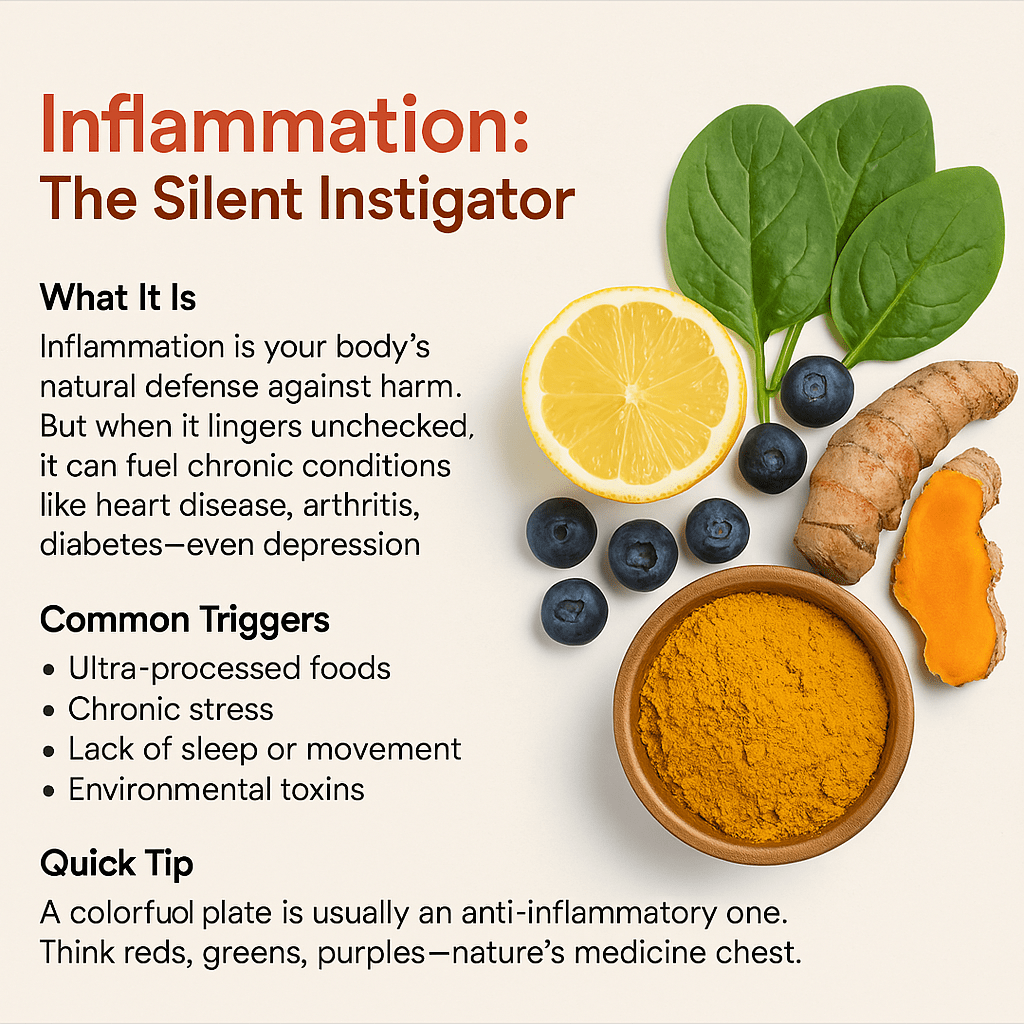
🔥 Inflammation: The Silent Instigator

🌀 The Wellness Loop They say what goes around comes around—so why not make it hydration, movement, sleep, and a little spinach? Your body’s rhythm deserves VIP treatment.
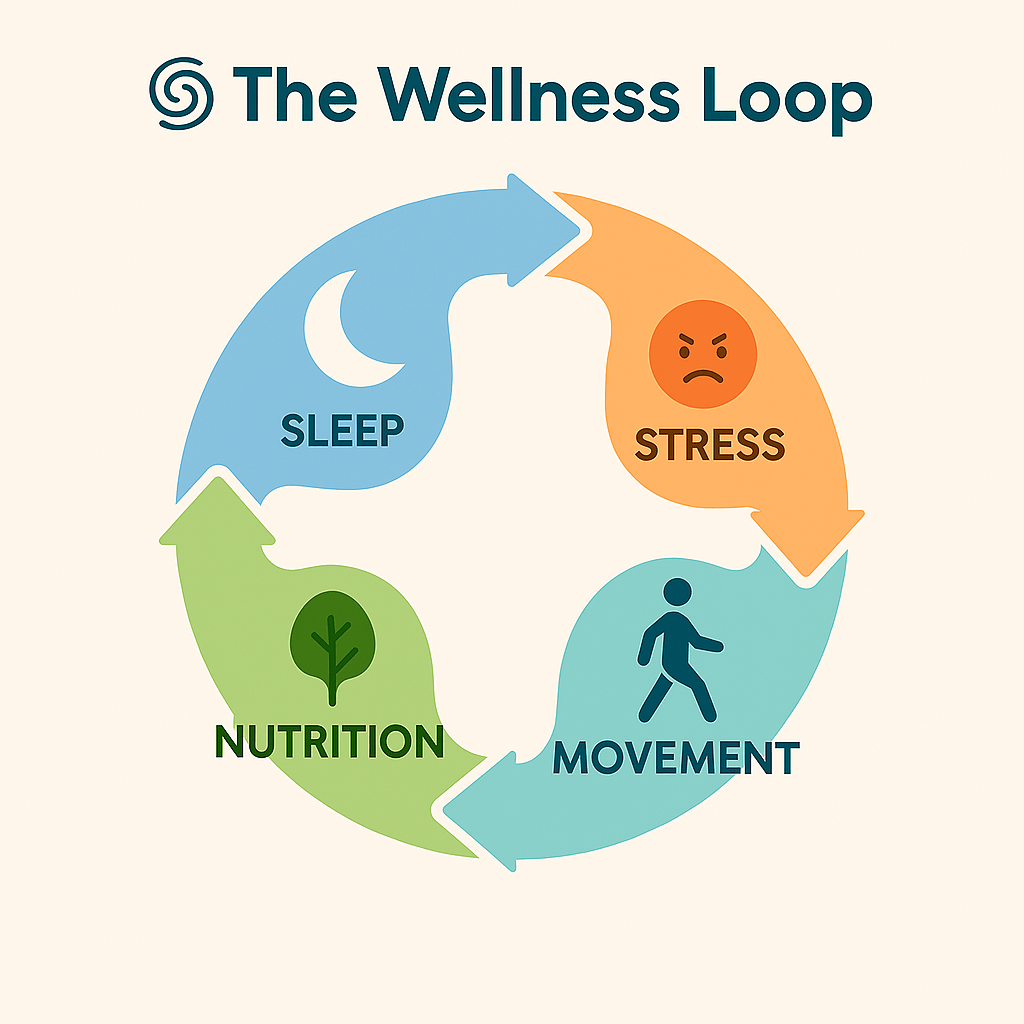
Keep Your Rhythm Alive Move with intention, fuel with nutrition, rest when needed, and let stress take the backseat. Your body’s groove deserves center stage.
At Staying Healthy Together, we aim to provide educational insights on chronic disease prevention, management, and the latest health research. However, we are not medical professionals—always consult with your healthcare provider for personalized guidance and treatment options.
 Staying Healthy Together